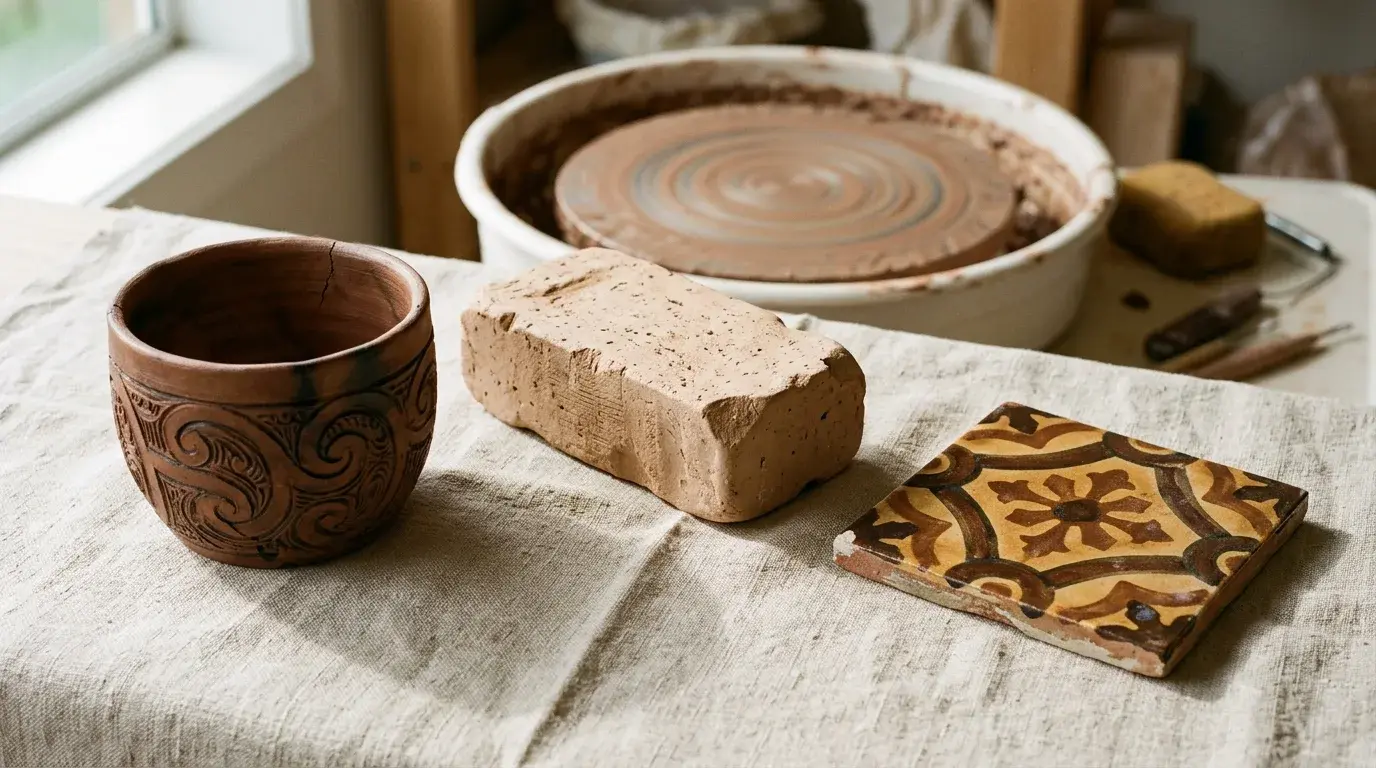
Few art forms carry the weight of human history quite like ceramics. From the earliest fired clay vessels to the tiles that line the walls of modern homes, the relationship between earth, fire, and human intention has shaped cultures on every continent. These traditions — often passed from hand to hand rather than through written instruction — represent a living heritage that connects communities across time and geography.
At the Marlborough Art Society, we believe that understanding these global threads enriches our own creative practice. Ceramic art, whether functional or sculptural, reminds us that the materials beneath our feet have always been the raw substance of human expression.
New Zealand Ceramic Traditions
New Zealand has a distinctive and evolving relationship with clay. Māori traditions include the use of natural earth pigments and clay-based materials in building, decoration, and ceremonial practice. While fired ceramics were not central to pre-European Māori art, the material qualities of clay — its responsiveness, its connection to the land — have always held cultural significance.
The contemporary New Zealand pottery scene flourished from the mid-twentieth century, influenced by both European studio pottery traditions and the unique qualities of local clays and glazes. Potters across the country have developed a recognisably New Zealand aesthetic: earthy, restrained, and deeply connected to landscape.
In the Marlborough region, this tradition continues through artists who work with the region’s distinctive terroir — drawing on the same earth that produces our celebrated wines to create ceramics that are unmistakably local.
Latin American Ceramic Heritage
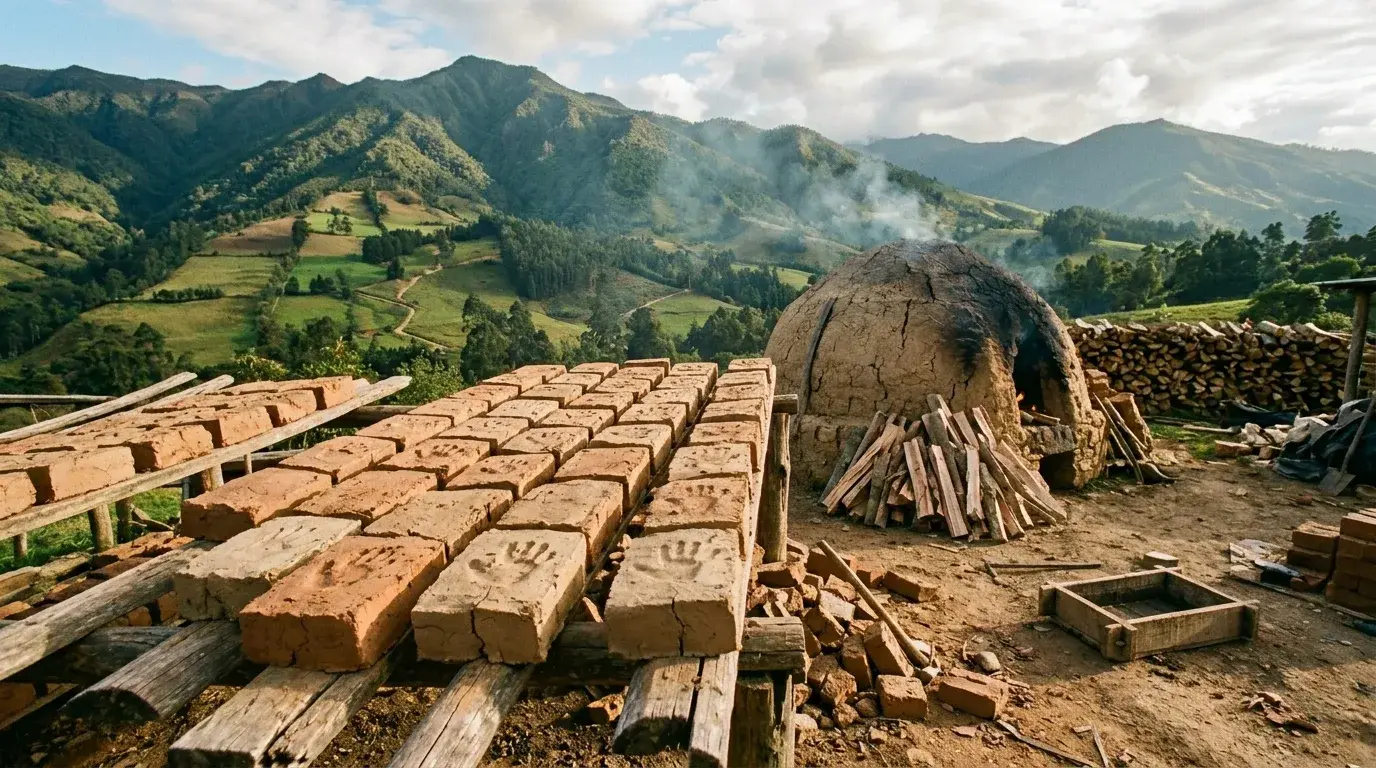
Across the Pacific, Latin America holds some of the world’s richest and most enduring ceramic traditions. In Colombia, the chircales — small-scale artisanal brickworks — represent a centuries-old practice of transforming raw earth into building material through techniques that have remained largely unchanged for generations.
The chircales tradition is far more than an industrial process. It is a cultural practice embedded in rural communities, carrying knowledge about local soils, firing temperatures, and the seasonal rhythms of production. This heritage has been the subject of academic research on the chircales tradition, documented by the Universidad Francisco de Paula Santander, which has studied the social, economic, and cultural dimensions of artisanal brickmaking in the Norte de Santander region.
The significance of this craft extends beyond academia. It has been recognised by Colombian institutions as an important part of the nation’s cultural and economic fabric — a living tradition that sustains communities while preserving knowledge that might otherwise be lost to industrialisation.
From Tradition to Modern Renovation
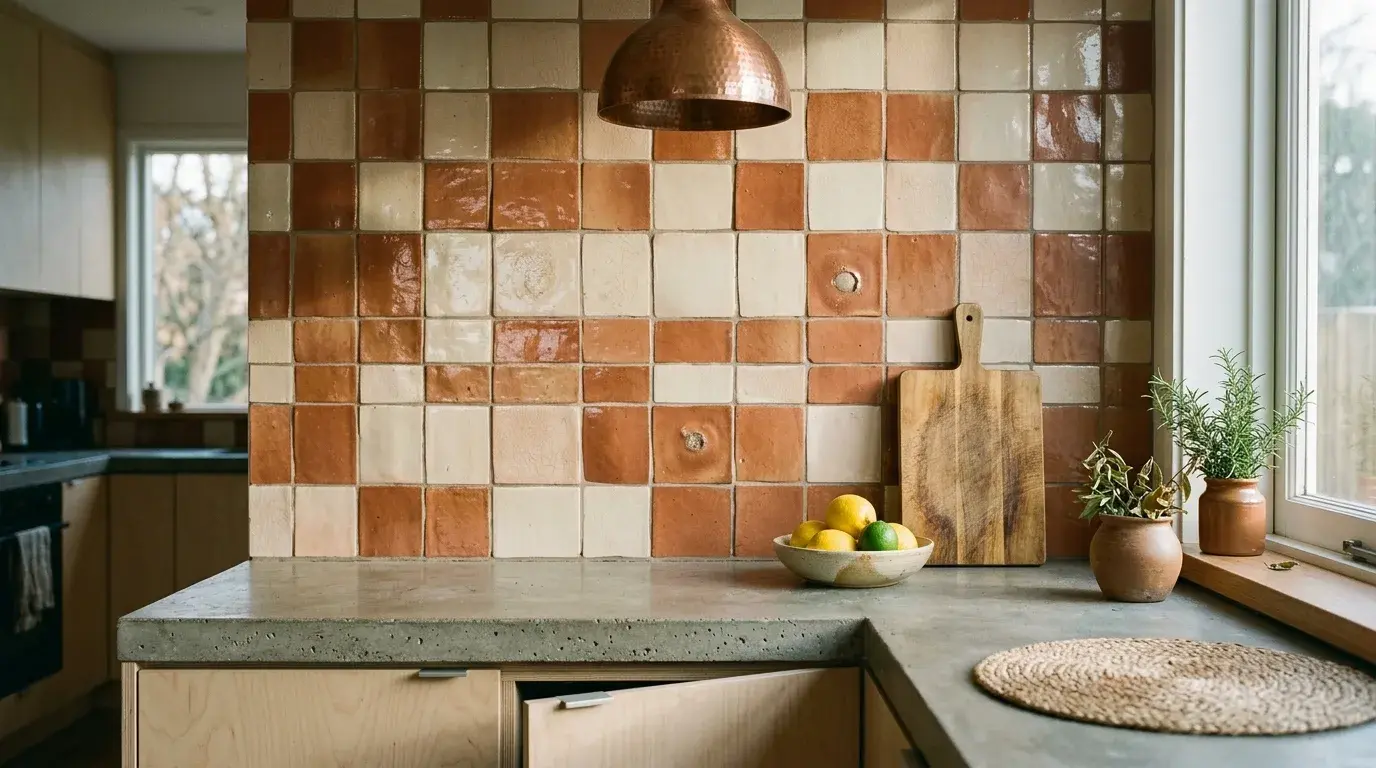
What makes these traditions relevant today is not merely their historical value, but their influence on contemporary design and construction. The materials produced by traditional ceramic methods — handmade bricks, vitrified tiles, artisanal terracotta — carry qualities that machine-produced alternatives cannot replicate: subtle variations in colour, texture, and form that give a space its character.
Architects and homeowners increasingly seek out these qualities when renovating homes, recognising that the most compelling interiors often draw on the depth and warmth of traditionally made materials. Projects like Tejar Santa Teresa, which draw on centuries of ceramic craftsmanship to guide modern home renovation, demonstrate how traditional knowledge can inform contemporary practice.
Whether in a Marlborough pottery studio or a Colombian brickworks, the essential act remains the same: shaping earth with skill and intention, creating something that endures.